Episode Description - How to Deal with Divorce Stress in Just 15 Minutes
What if the secret to getting through one of life's hardest chapters isn't therapy, legal advice, or even time - but simply putting on your sneakers? Fitness instructor and cancer exercise specialist Carly Fauth joins the Off the Fence podcast to make a compelling case for movement as medicine, not just for the body, but for the mind and emotions, too. As a triple-negative breast cancer survivor who kept teaching and working out through chemotherapy, Carly brings hard-won, personal credibility to everything she shares about using exercise to manage divorce stress.
Carly unpacks the connection between physical stress and emotional turmoil in a way that’s practical, relatable, and (most importantly) DO-ABLE. Her advice resonates whether you're navigating a divorce, a diagnosis, or just a season of life that's knocked you flat.
Carly explains why stress tanks your motivation to move right when movement matters most, and how even small, consistent actions can shift your brain chemistry and help you feel more in control. We talk about Carly's 15-minute fitness method, the principle of habit stacking, and the one thing Carly believes everyone needs before they can sustain any healthy habit long-term. (Spoiler Alert: it has nothing to do with willpower.)
This conversation connects movement, mindset, and personal resilience in a way that challenges common excuses and invites a fresh perspective on what it really means to take care of yourself when life gets hard.
Show Notes
About Carly
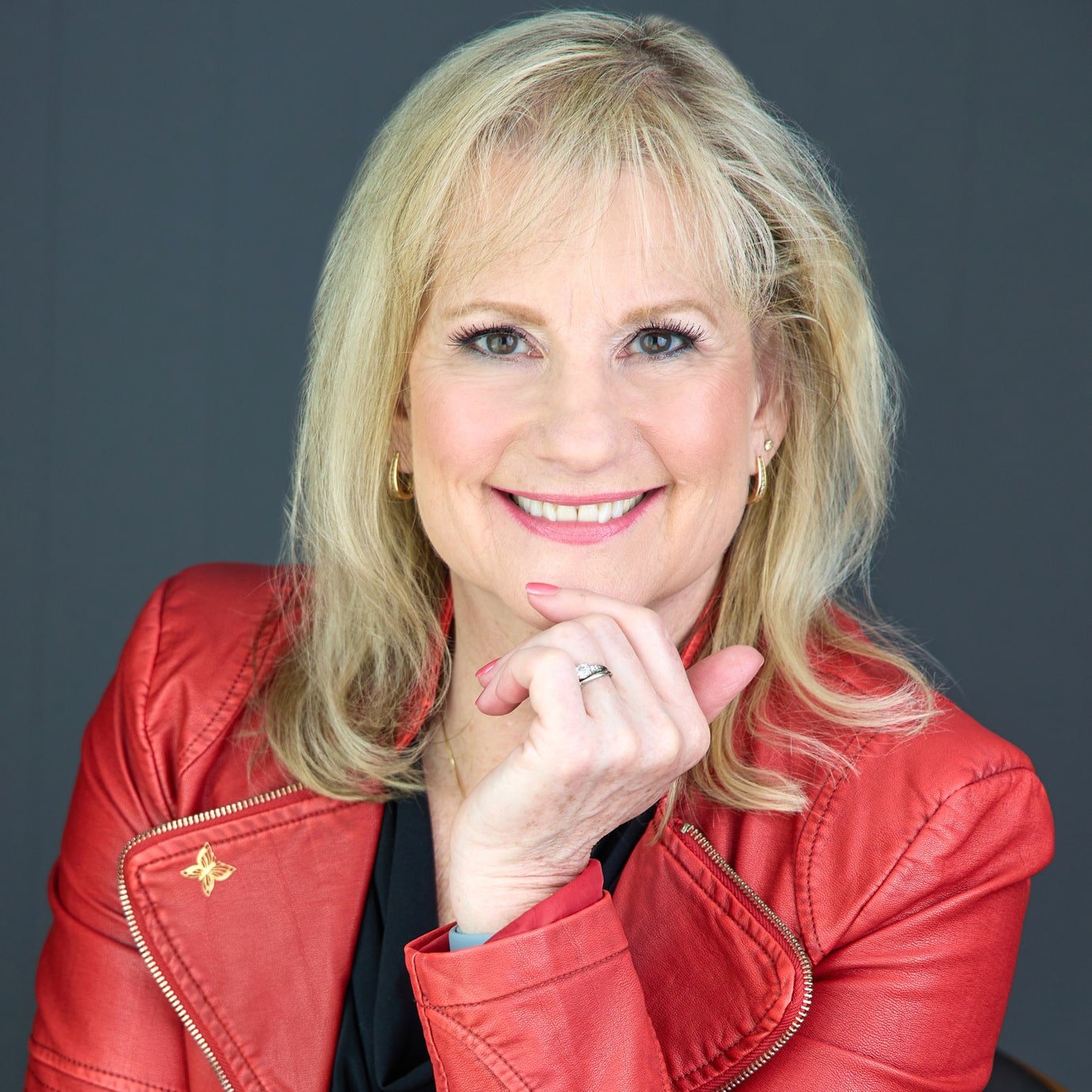
Carly Fauth is a fitness instructor, mentor, and cancer exercise specialist with over 15 years of experience helping people build strength, resilience, and confidence through movement that fits their real lives. As the founder of Fit in Fitness and FitFunCarly, she creates accessible programs—from one-on-one coaching to group experiences—that help people reconnect with their bodies and feel empowered through intentional, joy-filled movement. A triple-negative breast cancer survivor, Carly continued teaching and exercising throughout chemotherapy and surgery, and now supports cancer patients, survivors, and caregivers in staying active through treatment and beyond. Her mission is to show that movement isn’t just exercise—it can be medicine, empowerment, and joy, even in just 15 minutes a day.
Connect with Carly
You can connect with Carly on LinkedIn at Carly Fauth and on Facebook at Fit Fun Carly. You can follow Carly on YouTube at Fit Fun Carly and Instagram at Fit Fun Carly. To learn more about working with Carly, visit her website at Fit Fun Carly.
Key Takeaways From This Episode with Carly
- Carly Fauth is a fitness instructor, cancer exercise specialist, and the founder of Fit and Fitness, boasting over 15 years of experience helping others build resilience through movement.
- The discussion explores the powerful intersection between physical movement and navigating high-stress life transitions like divorce or serious illness.
- Carly shares her personal journey of using exercise as a "science experiment" to maintain her mental and physical strength while undergoing aggressive chemotherapy.
- A core philosophy of her method is that effective movement does not require a massive time commitment, as significant benefits can be achieved in just 15 minutes a day.
- Exercise serves as a vital tool for "controlling the controllables" when external circumstances, such as a legal battle or health crisis, feel overwhelming.
- Different emotional states can be managed through specific types of movement, such as using strength training to process anger or cardio to alleviate depression.
- Building a sustainable fitness habit is often more about creating momentum first rather than waiting for motivation to strike.
- Simple strategies like "habit stacking" or keeping equipment in plain sight can lower the barrier to entry for those who feel they lack the time or interest in traditional exercise.
- Finding a deeply personal "why" acts as the essential anchor that keeps individuals committed to their health goals during their darkest moments.
- Prioritizing self-care through intentional movement ultimately empowers individuals to reclaim their confidence and face difficult decisions with newfound clarity.
Do you like what you've heard?
Share the love so more people can benefit from this episode too!
Transcript
How to Deal with Divorce Stress in Just 15 Minutes
SUMMARY KEYWORDS
divorce stress, mental resilience, empowerment
SPEAKERS
Karen Covy, Carly Fauth
Karen Covy: 0:10
Hello and welcome to Off the Fence, a podcast where we deconstruct difficult decision making so we can discover what keeps us stuck, and more importantly, how we can get unstuck and start making even tough decisions with confidence. I'm your host, Karen Covy, a former divorced lawyer, mediator, and arbitrator, turned coach, author, and entrepreneur. And now without further ado, let's get on with the show.
With me today, I have the pleasure of speaking with Carly Fauth. And Carly is a fitness instructor, mentor, and cancer exercise specialist with over 15 years of experience helping people build strength, resilience, and confidence through movement that fits their real lives. As a founder of Fit and Fitness and FitFun Carly, she creates accessible programs from one-on-one coaching to group experiences that help people connect with their bodies and feel empowered through intentional joy-filled movement. A triple-negative breast cancer survivor, Carla continued teaching and exercising throughout chemotherapy and surgery and now supports cancer patients, survivors, and caregivers in staying active through treatment and beyond. Her mission is to show that movement isn't just exercise, it can be medicine, empowerment, and joy, even in just 15 minutes a day. Carly, welcome to the show.
Carly Fauth:
Thank you so much, Karen. I'm so happy to be here.
Karen Covy:
I'm excited to have you. And I know this may seem like an odd combination of divorce and relationships and fitness, but you and I have talked, and we both think that these go hand in hand with each other. And you will tell us why you believe that in a bit, but I'd like to start with your story. Why fitness? What got you to this place? Why do you do the work that you do?
Carly Fauth: 2:06
Yeah, so I was a fitness instructor. I've always been an athlete. I've always loved to move. I've always loved exercise. And then I became a fitness instructor about 11 years ago, starting with a bar certification. And I don't even really like bar, but it was just like my gateway into teaching. And I just really realized that I love to teach people how to connect with their bodies. And bar was just the vehicle that got me started. So once I started teaching, I realized it didn't matter what I was teaching. I just really liked to help people understand how important fitness is and then it doesn't have to be a drag.
Karen Covy: 2:41
Um let me interrupt you just for a second because I know what bar is. But for those people who are listening who may think bar means like either the place that you go to drink or the place you go if you're a lawyer. Um what is bar fitness?
Carly Fauth: 2:57
So bar is based on ballet. It's based on the principles of ballet. Um, I can say that I took my bar training and I made it my own, which is what I usually do with everything I teach. I kind of add a Carly spin on it. So it wasn't the way I taught it, it wasn't traditional bar. It was based on bar movements, but focusing more on building, it does help you build strength. But I would add a little heavier weights and maybe teach a bar cardio class. I just had a very signature style, which I realized after teaching bar like that. I realized I could apply the same principles to every single thing that I taught. I think it's really important to make things your own and have your signature style on it to make it interesting. So, yes, that is bar. You do not have to be a ballerina to practice bar. I am a prime example. I was not a ballerina, no dance experience, but that is how I just turned it into my own. But I think that's a good example too of how to be open-minded when it comes to fitness, that you don't have to be a specific type to do a certain thing. You can make it work for you. And I think that was kind of the beginning of this realization that I really wanted to help people connect to fitness in a way that worked truly for them. So after that, I was an instructor, but I had a full-time job for a very long time. And then once COVID hit, I decided that I wanted to make fitness my full-time job. So that's when I developed my Fit Fun Carly method and my fit-in-fitness method based on getting fit in 15 minutes a day, which really helps people connect to fitness in a way, like I said before, that truly works for them because fitness is not one size fits all. And I find that fascinating to help people really connect to it in a meaningful way.
Karen Covy: 4:41
I love that. And you also what I find truly unique about you is that you also continued to focus on exercise and fitness throughout your cancer journey. And that's something that doesn't often happen. Usually people think, oh, I'm sick. I've got to stop exercising, especially in chemotherapy, radiation, whatever you went through has got to just take so much energy out of you. And so I've the people that I know, it's usually once they are sick or they and they have a diagnosis and they're undergoing treatment, exercise stopped. Why didn't you do that and how did it affect you?
Carly Fauth: 5:22
So when I first found, when I was first diagnosed, I had just started, I think I had about eight months of my company under my belt. And I realized, like, I don't want to give this up, but how the heck is this gonna work? Because the only experience I had, personal experience, was my grandmother who had cancer. And I remember she was wearing a wig and she had sores in her mouth and she was so sick. And I thought, am I gonna be able to hold on to my company? Am I gonna be able to hold on to my fitness throughout this? So I started to do some research on my own. I asked my oncologist. My oncologist, who I love, didn't know that much about exercise and cancer, but she handed me a book called Moving Through Cancer. Um, and I read that book and I realized, yes, it is very possible to exercise through a cancer diagnosis. It will look different than it may look than it looked before my diagnosis. But there's also there was a lot of research coming out right about the time I was diagnosed about how important exercise is during cancer treatment because it can help with the side effects. So I kind of decided to use myself as a science experiment and I committed, and I have this habit of putting things out there in public and committing to things because that kind of helps me stay accountable. So I said, you know what? I'm gonna show up every day, just as I've been showing up for my clients, and I'm not gonna miss a day of working out. What that looks like, I have absolutely no idea, but I am gonna commit to showing up for at least 15 minutes. And I will be very honest when I was teaching my classes. I said, I will be honest with you if I can't go on. But I will show up for you and let's just take it as it comes. And what happened was this understanding of the power of exercise. We don't just exercise for our bodies, we exercise for our minds. So it did help me stay strong through chemo because I had very aggressive chemo and chemo eats muscle for breakfast, lunch, and dinner, but it really helped me stay positive and stay in control and take my power back from something that was not in my control. So exercise was for me was a way to control the controllables. And that was something that got me through my diagnosis. And then afterwards, it helped me get my strength back a lot faster. So it was an eye-opening experiment, and I'm so happy I did it. And it just showed me the power, the true power of exercise. Not only for so cancer was my thing, but a true appreciation of how exercise and movement and having that mind-body connection can get you through any tough time in your life because we all have them. And we all have some of us have more than one, a lot of us have more than one.
Karen Covy: 8:01
Yeah, exactly. And so that kind of segues beautifully into the area of divorce when your relationship is falling apart. And something else, and I don't know if you've seen this in the work that you do with people, but I have to say, I have noticed a link between someone's physical health and the divorce. Like a lot of times, a lot of my clients either they were in miserably unhappy marriages and they got sick. So now they're dealing with divorce and the illness, or it happened the other way around that they, you know, went through the divorce and the stress of that um took a toll on them physically. So can you talk about that? Like how the multiple stressors, um, whether it's from illness, from divorce, from a stressful job, from whatever, how does stress affect the body and how does exercise help even when you don't feel like doing it?
Carly Fauth: 8:58
Yeah, stress is toxic. It plays with your um hormone levels, it can, it can make you sick. It is just something that really, if you if anybody's been through a stressful situation, you don't feel your best. It's it just makes you feel awful. So, the first thing that happens when you go through a stressful situation, and I totally understand, is your lack of motivation for moving dips. Because number one, usually when you're going through a stressful situation, it's like you sometimes you don't even feel like it's worth it to do it, or you're worth it to take care of yourself like that, or you don't have the time in a stressful situation. But it's so important that you make the time because, like I said before, that movement helps you, helps your body clear the stress, but it also changes your brain and it can change the way you think about your stress. And it's like flexing the mental muscle is just as important as building the muscles in the body. And it again, if the same rules apply that a lot of times something like divorce or any stressful situation is given to you and you didn't ask for it. It's just something that happened and it turns your life upside down, and you feel like you can't see your way out, and that's a terrible, terrible situation. And it goes back to controlling the controllable. So, you have this control over what your body is going to do and what you do with it. And if you move your body, you can increase your the strength, like I said, of your mind and your body and your health, your overall health will make you feel better about every single thing in your life. And that is taking a step forward. It creates momentum in this positive space. And the momentum is the thing that creates the motivation. So it's just, it's, it's such a powerful tool. And people are always looking for like the next drug or the quick fix. But it's something that everybody has in their fingertips. Everybody has the ability to get up out of their chair and do 10 squats or get out of their chair and go for a walk. And if nothing else, if you don't see those physical changes that maybe you want to see right away, the mental benefits happen like that. It's like taking an antidepressant, a natural antidepressant, because it's changing your brain.
Karen Covy: 11:11
Yeah, there um there's so much in what you just said that that I want to dive into. But you know, one of the things that you mentioned is the, you know, exercising every single day, and that it doesn't have to be a lot like you can just do 15 minutes, right? And tell me more about that because one of the problems with going through something like a divorce is it adds a second full-time job onto you, essentially. There's so much paperwork and so much stress and so many things to do that you wouldn't have had to do otherwise that people say, I don't have time to add exercise in. What do you say to that?
Carly Fauth: 11:50
Well, that's interesting you say that because the reason why I created this 15-minute method and this fit and fitness method is because I was working one-on-one with a lot of busy professionals who were telling me that they did not have the time. And I thought to myself, hmm, I think every single person on the planet, no matter what they're going through, has 15 minutes. Because I thought about like if you got up a 15 minutes earlier, that's not gonna break you for the rest of the day. It's not gonna interrupt your sleep pattern. If you go to bed 15 minutes later, it's the same thing. It's not gonna interrupt your sleep pattern, it's not gonna wreck you. So there is this window before you go to bed, like um before you wake up or before you go to bed. But then there's also these little windows during the day that sometimes they don't present themselves to you, but they are there. And sometimes if you can attach that 15 minutes to something you already do, like let's say when you're making your coffee in the morning, you can do 20 squats. These little bits add up. And what happens is if you commit to 15 minutes, chances are most of the time, all of a sudden, you realize, hey, I have 15 minutes more. I can do a little more. So it's a building block. And 15 minutes is something you can wrap your brain around. Even if you hate exercise and you feel so stressed out and you feel like there's no extra time in your day, you can your brain can make sense of the beginning of 15 minutes and the end of 15 minutes, and it's digestible. And once you have that digestible piece and you get going, like I said before, with the momentum, that's when you're gonna start to have the motivation to do more. So it's starting small and realizing that these little bits add up, and it doesn't have to look like a 60-minute workout at the end of your day. You can take these little bits, and at the end of the day, you look back and you're like, wow, I got a solid 60 minutes of movement. Like it's all very, very important.
Karen Covy: 13:40
Okay, let's talk about that because as someone who's been into fitness myself, my most of my adult life, um, I can say, you know, I have this vision of what is exercise, right? So 15 minutes, I'm like, oh great. So I do 20 squats and a push-up. You know, I mean, that doesn't like A, I'm not breaking a heavy sweat so it doesn't count. And B, if I am breaking a sweat, now I got to go change my clothes because I'm at, you know, I'm at work and I can't be all disheveled and blah, blah, blah. So what do you say about that?
Carly Fauth: 14:16
So I think it's important for everyone to realize what you need to be accomplishing each week. And there are certain amounts of time that are the standards of what adults should be getting during their week, but I don't like to talk about the set times because I feel like that's too overwhelming. So let's take the three different types of exercise. You need strength, you need cardio, and you need flexibility and mobility. As I like that you brought up the sweaty piece because I get that from a lot of people. So for those uh cardio workouts or HIIT workouts that's let's say are 15 minutes long, there may need to be a little bit more planning about when you do it. So before you take a shower or at the end of the day, like you're up, if you're in the office, you're not gonna want to be like jumping up and down and being a sweaty mess. Obviously, I'm not saying that is the case. But for strength and for flexibility and mobility, both are equally as important as the cardio. Those you probably won't break a sweat. And again, it's thinking about thinking ahead too of making sure that your weights are accessible. Maybe you bring weights to the office, or if you work from home, you have your weights and eyesight so you don't have to go dig them out and find them. Resistance bands, that's counts as strength training, and that doesn't even add, that's not heavy. You could fit that in your in your bag, you could fit that in your car. Flexibility and mobility. Everyone can stand up from their chair at work. And even if you're in a cubicle, I mean, I'm really not embarrassed about moving in public, and I know some people are, but I think people can get past that the better that they feel and the more confident they feel in their bodies. But so you start stretching at your desk, chances are Patty, who sits next to you, will probably be like, oh, that looks like it feels really good. Maybe I can I can join you in your stretch. Like there’s different types of exercise that you need each day and figure out what works for you in your situation in that moment. So there's no excuses. Something is better than nothing. And if you keep that 15-minute framework in mind and you just keep adding on the 15 minutes, 15 minutes, like I said before, it's all gonna add up and you're gonna end up reaching the requirements, which I'm not even gonna get into about the minutes, but yes, like it all adds up, it's all so important. And women of perimenopausal, menopausal age, that strength training is so important. 15 minutes is so safe too, because let's say you do 15 minutes of arms, the chances of you overdoing it in 15 minutes are not very high. So it's a great way to get that body confidence. So, then I'm not saying every workout has to be 15 minutes, but again, the momentum you're building will help you build the body confidence to maybe go to the gym after work and hit the gym and do a 30-minute workout. This is it's building blocks and it's a healthy lifestyle. Build it into your lifestyle.
Karen Covy: 16:57
Okay, so have you read uh Atomic Habits by James Clare? Some of it. I've read bits and pieces. Because I was as I'm listening to you, I'm hearing some of the advice that was in that book. So, I'm wondering, because you mentioned two things. One is ease of use, like if your resistiband is right there or your weights are right there, you'll do it. And the other is stacking habits. So when you have your coffee, you automatically do X. What you know, you walk around the living room 10 times or you do 20 squats or something like that. Um, are those have you found those kinds of habit-building techniques to be helpful for people?
Carly Fauth: 17:40
100%. I deal with a lot of people who say they hate exercise and that they don't have the time. And once we figure out a way to fit it in with things that they're already doing, then they're it's almost becomes a game where they're like, it's something that they can there, they try to figure out other times of their day where they can sneak in movement. Like even if they're picking up their kids from school, they go a little bit early and they walk around the track. It becomes this, it's almost like your body craves it. And it's almost redefining exercise based on almost a European model. Because if you've ever been to Europe or have you ever been out of our country, basically, people bike to work. Like they are going to the gym and doing their workouts, but exercise is built into their lifestyle. There's much more walking, there's much more like Sundays are spent um taking long family walks. Are they thinking of it as this is our workout? No, they're thinking of it as their activity for the day, where it's yes, it is exercise, but it's something that's built into their lifestyle. So that's because I love I love Denmark and I go there all the time and I have family there, and I'm always so impressed how how much movement and exercise I get in without even having to think about a workout, because that are that's our activity and it's fun. And the more we can wrap our brain around adding movement into our lifestyle, the easier it's gonna become for us to maintain our health and to reach our fitness goals.
Karen Covy: 19:09
Yeah. Let's talk about people shifting a little bit. We've talked about physical health, but when you're going through a divorce, often the physical health, the lethargy, the lack of energy, the things that you feel are a byproduct of your mental and emotional health taking a hint, right? You don't feel like going for a walk. You don't feel energetic. You're down, you're depressed, maybe you're angry, you're like you're on this emotional roller coaster, all right? So how can someone like that motivate themselves to move because they just they you know they just feel so bad inside, right?
Carly Fauth: 19:52
Yeah, and that's sometimes that's even harder to push past than the physical symptoms. And not to bring it back to cancer all the time, but I truly believe that every experience, every hard experience, whether it be divorce, cancer, grief, the feelings are the same, but the cause of the feelings will are different. But this it's the same struggle that is attached to those experiences. So I'll use cancer as an example because there were days physically where I didn't want to get up out of bed, and there were days emotionally and anxiety-wise where I felt so stuck and scared. So the thing I always had to remember was that move, or I felt so tired too and drained emotionally, which I think a lot of people going through a divorce just it's just like, why bother? Like at that kind of attitude. Like, is this really gonna make a difference? It does because that energy level, it sounds counterintuitive, but the less you move, the less you're gonna want to move, and the more your energy dips. The more you move, the more energy you have. So all it takes, and I use that 15 minutes as yes, the base of my whole method, but I use the 15 minutes of just set it's you can wrap your brain around 15 minutes. Make a commitment that you're gonna put your sneakers on and you're gonna go around the block for 15 minutes. I guarantee you're gonna feel a weight lifted off your shoulders and you're gonna feel so much better than you did before you went for that walk that you're probably gonna do more and you're gonna appreciate it so much more, and you're gonna wanna do it because you see that it's gonna help you out of that yucky feeling. It takes a lot of courage to put on those sneakers and it takes a lot of willpower. And again, like I said before, it's flexing the mental muscle. Your body wants to do it, but this is what you have to work on first. And that is the hardest thing. So if you can just get those sneakers on and look at it as an action and separate the emotion and get yourself going, you will realize how much it is helping you and you're gonna want to do more. And it's gonna help you and it's gonna help build your confidence back. It's gonna help, it can change your life. It's just gonna make you feel like you are more in control of a situation. That you don't want to be in.
Karen Covy: 22:02
Yeah. And speaking of that and how you feel, are there different forms of exercise that you, I'm using air quotes, should engage in based on what the feeling is? And here's what I mean. For example, if you're feeling depressed and no energy, is there a certain type of exercise that's better for that than there is if you're feeling anxiety?
Carly Fauth: 22:26
So I think it all depends on your you as an individual, and you won't know this until you get going and you figure out what works for you. But I’ll use what works for me and what I have found that works with most people. So if I'm feeling down and depressed, I want to cardio workout. It doesn't have to be like, it doesn't have to kill me. It just has to be getting up and getting the heart rate up because that releases all the feel-good chemicals in your brain. So for me, if I'm feeling that, that's what I do. If I'm feeling anxious, and most people I work with, it's more of um yoga, like breathing, like really, and I'm not saying it doesn't have to be a meditation. It could be like a moving meditation. I'm really big into moving the body, but connecting the breath with movement and using somatic exercises and like shaking the body and just really moving through the anxiety because that's like a feeling of being stuck too. It's an awful feeling, but you can you can move that through your body and acknowledge it and deal with it and move past it. It's not like you're putting a band-aid on it, it's almost like you're feeling the only way out is through. You're moving through it, you have to feel it. Um, and then anger, because I'm sure anger comes up in divorce situations. No, never. No, it's always happy. I think the best strength workouts are when you have a little, you have a little zest in there and a little anger. Like I had a trainer once who said, never get in the box to lift unless you have some kind of angry thought behind it. And I totally agree with that because think about it, you're trying to lift heavy. When you're lifting heavy, you need that little bit of fire to lift whatever it is you have to lift. It helps. I can't lift when I'm in a um, I really can't lift heavy when I'm in an overly happy mood or a depressed state. Like I can't do it. But if I'm angry, watch out. Watch out. So yeah, matching, I'm glad you brought that up, but matching your workouts or your movement with how you feel is another great way to get connected because you shouldn't feel like you have to do something. Like, oh, I've worked, I've done strength five days this week. I need to get my cardio workout in, but I really feel like doing strength. By all means, do strength. Go by what you feel to get you going. And then you can work more on like the protocols and what you're um what you need each week to reach your fitness goals. But we're talking about a basic level for you to build your fitness foundation to build your way back and for you to feel in control. I think it's important to connect with your emotions.
Karen Covy: 24:55
What if you say, because I've heard people say this to me, um, is that I don't like exercise. There is no joy in exercise for me. Um what can you give? I mean, are there certain movements that people like that can do that will start to make a crack in the wall, so to speak?
Carly Fauth: 25:16
I think if you're saying that you haven't been trying enough things because I truly believe there is a forum of fitness and movement for everyone. We talked about you like Zumba, you're a Zumba instructor. So, like that, that to you is your thing. You enjoy it because you like dance. I have two left feet and I'd be terrible at it. That I couldn't connect to Zumba in the same way. I like swimming. Some people hate the water, but there is something, and maybe it's not exactly the thing that you're doing, but maybe it's the person you're doing it with or the social connections that you're getting from the experience. Or maybe it is the feeling afterwards that you really attach to. Like for me, okay, swimming, I don't always love it as I'm doing it, but the feeling when I'm done is like so incredible that I will do it again and again and again and again and never stop because I've attached to that. I also think it's just really important to think outside the box and realize it doesn't have to be, um, it doesn't have to be going to the gym. It could be just going for a walk. Think about where you're walking. Is there a place you really like? Do you like the ocean? Is the ocean near you? Go for a walk by the ocean. Can you attach the exercise, like walking to your coffee shop to get a cup of coffee? Like what can you do to make the the experience more pleasant? So I think writing off exercise and saying you don't like exercise just means that you haven't really um broadened your horizons enough and tried enough things because there's something for everyone. I truly believe that.
Karen Covy: 26:50
I love that. Yeah. And like you said, I mean, true confessions here. You and I have talked, and you know, I mean, I've been a fitness instructor almost as long as I was a lawyer. Um, and so I believe in exercise, but I also know that you got to find the thing that you enjoy or you don't do it, right? So and I think I love your reframe because I think part of the reason that people say that is because they don't think of walking as exercise, right? Right? Or they don't think of cleaning house or moving or doing whatever it is that they're doing, that that doesn't count. So in your book or in your programs, what counts as exercise?
Carly Fauth: 27:33
Everything. However, it is very important to distinguish like let's say you were gardening, going out and gardening and like not thinking about exercise. Yes, you are moving your body and that counts. That's being active, that's wonderful. But if you can think of gardening and maybe add something to your gardening to help it be a little more effective, where it becomes fitness focused. Like let's say you, I'm just using, I'm not a huge gardener, but let's just say you're planting a flower, and then for every flower you plant, you do like 10 squats, or maybe it's every 10 flowers you do 10 push-ups. Or if there's a way to like increase, think have um a framework and almost like a set around what it is that you're doing, that makes it be an exercise activity. Just going out gardening, not thinking about exercise and coming in, I you can't really count that as your workout or, but it is, it's being active. The important thing also to point out is if you love doing these things and you would like to continue doing these things into your old, older ages, you have got to exercise or you will not be able to bend down on the ground to get the plants in the ground. Like this is you need to do this to keep enjoying the things that you do love as far as being active that maybe aren't considered like a workout.
Karen Covy: 28:59
Yeah. And I think it depends too on what kind of gardening you happen to be doing that day. Like if it's the spring and you're, you know, turning over the soil and digging big, you know, trenches and blah, blah, blah, or uprooting a bush or something like that, that's really physical. Like you can really use your muscles. But if all you're doing is like kneeling on the ground and waiting, maybe not so strenuous, right? You know, but it's the little things. Like I used to tell people, okay, take the stairs. You're going up two flights, take the stairs, don't take the elevator or escalator, whatever it is. Um, you know, just doing those little things. And what I hear you saying is that all of those little things count. They add up.
Carly Fauth: 29:44
It adds up, it just changes your mindset. Again, you'll be looking for ways you can fit in exercise, which opens the door to you maybe wanting to go to do an actual workout, like committing to a 30-minute workout, whether it be at the gym or home. It just gives you the body confidence and kind of dips your toes in the water where you can say, huh, exercise isn't that bad. It doesn't have to be something that makes me feel like I'm gonna vomit.
Karen Covy: 30:12
Yeah, yeah. I've had those workouts too. They're not pleasant.
Carly Fauth: 30:15
But they're not, but I mean, so you need a little bit of once you get to a certain point, you need to get comfortable with being uncomfortable. And I think that's a life lesson too for anybody going through a hard time, cancer, divorce, anything. Life's uncomfortable. So I think fitness and exercise is a great training ground for what you're gonna do. Like, what are you gonna do when things get tough? Are you gonna quit? Are you gonna push through? And you can reflect on those moments and exercise when you are going through these hard times and be like, oh, I got through that 15-minute hit class and that was brutal, but I did it. So I could do this too.
Karen Covy: 30:50
Yeah, exactly. And you know, you just mentioned something that I think is so important and I'd like to dive into a little bit, and that's mindset.
Carly Fauth: 30:59
Yeah.
Karen Covy: 30:59
Um, because when you go through a divorce, I mean, to build that mindset of I can do this, I can push through that resilience, that whatever, is tough because you're in the middle of the yuck, as I call it. You know, life isn't all sunshine and kittens at that point. Um, so how can somebody, you know, how do exercise and mindset work together? And how, you know, can somebody use exercise to improve their mindset, or does it go the other way around?
Carly Fauth: 31:29
No, I think they both go hand in hand. And that the analogy that I always use too, as far as like mindset and movement is, and I just I just posted a reel about this yesterday, is if like, again, it's the it's the momentum you have to build to build the motivation. So that that all ties into mindset. So think of a stalled car. And if you had to push it and the car is just staying, like it's just you and the car, and the car is stalled. To push that car, taking that push first push, is so hard. The car might not even budge. And if it does, you're probably straining all your muscles. But now think about what happens once you get the car moving and to continue the push, once it's in motion, it's much easier for you to push that car. So that's what I try to tell people too is again, that mindset is so important that reframing the ability to um to attach a celebration. And I some people don't like the word reward, but I like it, or to the something happy to what you're doing, a celebration or a reward when you're done. That plays with your mindset too. And just realizing that you're not going to want to do it until you do it. So if you're sitting there waiting, like, okay, that girl seems like she just loves what she's doing and it's so easy for her. No, it's not. She just has already has that momentum going. So it's easier for her to keep going. If you're if you keep stopping and starting again, it is so much more work than for you to keep going. And it's a constant, like I said, your body is capable of doing these things. It's this that's not, and it's almost like you have to turn the volume down because there's so much emotion attached to exercise and whether you want to do it or you don't. And I don't mean to sound cold, but it really doesn't matter if you don't want to do it. Separate the action from the feelings, and then when you're done, go back and revisit those feelings. Maybe journal about it, maybe dissect why is it that I don't want to move? It's so much easier to have that conversation with yourself after you've done the thing. So you have to separate your emotions from the act. You have to. And I'm not discounting emotions, they're very important, but there's a time and place to be thinking about those things. Not before the workout. We can't be sitting there thinking, why am I? You're wasting time. Just do it. Just do it.
Karen Covy: 33:47
You sound like Nike. Just do it. Just do it. Just do it. Probably the best tagline ever.
Carly Fauth:
The best. The best. I wish I thought of it. I know.
Karen Covy:
But you know, I love that you point out that it's momentum that causes motivation. So many people, especially when you're in a rough emotional place, you're waiting to feel the motivation in order to do the thing. And you just flip this on its head and said, No, you got to do the thing to get the momentum to feel the motivation. So, how can people, when they're sitting in that spot and they're like, I don't really want to do this? And how what can tools can they use to force themselves, for lack of a better word, to just take the first step? Because, like you said, once you start getting that momentum, everything becomes easier. But if you're in the stop, start, stop, start, I don't have time, the kids are this, the blah, blah, blah, like excuse, excuse, which are all valid. They it may be 100% true, but it's also not helping you. So, how can you, what can you do to motivate yourself to start so that you build that momentum?
Carly Fauth: 35:03
The biggest thing, and this is what I always have my clients start with, is what is your why? And if your why is not the like if you wake up in the morning and you're like, I don't want to do it, and then you think of this why that you've connected with. And if it doesn't get you to put your feet on the floor, it's not your why. You haven't found your powerful enough why. So it's really thinking about what your goals are, what the reasons are for you to want to be doing this and making sure it is truthful. And sometimes that takes a lot of time to figure out what is the real reason I want to be healthy? What it, what do I want to do as my future self? What do I want to make sure I can accomplish as I get older? So, for example, mine is I don't want my cancer to come back. So you better believe when I'm laying there in the morning and I'm like, ugh, I just don't feel like doing this. And I think of like having to go through chemo and all that stuff again. I'm like, my feet are on the floor so fast. I'm like, I'm like, I don't even care how badly I don't want to do it. I'm doing it. A lot of people, it's there being there for their kids or being able to be an active grandparent. That is the first most powerful thing. I would say that's step one is why. If you don't have a why, you're not gonna want to do it. You're gonna be laying there, you're gonna, you're gonna hit the snooze button again and again and again. You have to think about what your reasons are and what you want to accomplish in life. Life short. So everyone has a specific why, but it takes some time, maybe journaling or maybe just really thinking about it for like a week and trying out different whys. You'll know when you hit your why, what the real why is.
Karen Covy: 36:41
I love that. And I think it's I I think that's the key. And I can't think of a better place to, you know, we've come full circle. Um, and when you're going through a tough time, whatever it might be, to understand what you want, why do you, what matters to you, why is this important, that'll give you at least enough momentum to start and then to keep going when the times get tough. And they will. Yeah, and they will.
Carly Fauth: 37:12
And your why can change. Yep, yeah, it can evolve with you. But yeah, you always need to have you need to be clear cut on your why.
Karen Covy: 37:17
Yeah, I love that. Carly, thank you so much for being on the show, for sharing all your wisdom and smartness. Um, if people want to work with you, if they want to find out more about what you do, where should they go? Where's the best place to find you?
Carly Fauth: 37:31
So I have a website. Everything is fitfuncarly. Lots of fit, lots of fun. So fitfuncarly.com, you can follow me on Instagram at fitfuncarly. Um, and then anyone can email me, Carly at fitfuncarly.com. I love to talk to people. So feel free to reach out. I'll always email you back. Um, and I just, yeah, I love meeting people. I really love hearing about what people are up against. To me, that's the most interesting part of my job and the most rewarding is really helping people overcome those obstacles that they think are so big and we can kind of make them smaller.
Karen Covy: 38:04
Yeah, I love that. I love that. So, Carly, thank you again. And for those of you out there who are watching or who are listening, if you enjoyed today's episode, if you'd like to hear more episodes just like this, do me a big favor: give it a thumbs up, like, subscribe to the podcast, subscribe to the YouTube channel, and I look forward to talking with you all again next time.